
The Science of Mindfulness That Fits Real Life
Meditation does not have to interrupt your life to change it.
The intuno blog explores the science behind activity-based meditation, movement mindfulness, habit formation, and long-term change. All articles are grounded in research and written for people who want mindfulness to work in everyday life.
Experience meditation that fits into your day
intuno turns walking, movement, and everyday moments into guided mindfulness.
Try intunoFeatured Articles

Why Mindful Walking Works So Well for the Mind
Many people struggle with seated meditation. Research shows that mindful walking can meaningfully reduce stress and support mindfulness, even for beginners.
Read more →
Can Everyday Movement Train Mindfulness Better Than Sitting Still?
Research shows that awareness trained through movement produces robust psychological benefits. Learn why movement-based practices help mindfulness transfer to daily life.
Read more →
Mindfulness During Daily Chores: Is There Scientific Evidence?
Can washing dishes or folding laundry really be meditation? Learn what research says about mindfulness during daily chores and why simple, repetitive actions can support mindfulness.
Read more →
Activity-Based Meditation: A Modern, Science-Backed Approach to Mindfulness
Modern life is dynamic and constantly moving. Research across neuroscience, psychology, and behavior science points to a clear conclusion: mindfulness works best when trained inside daily activity.
Read more →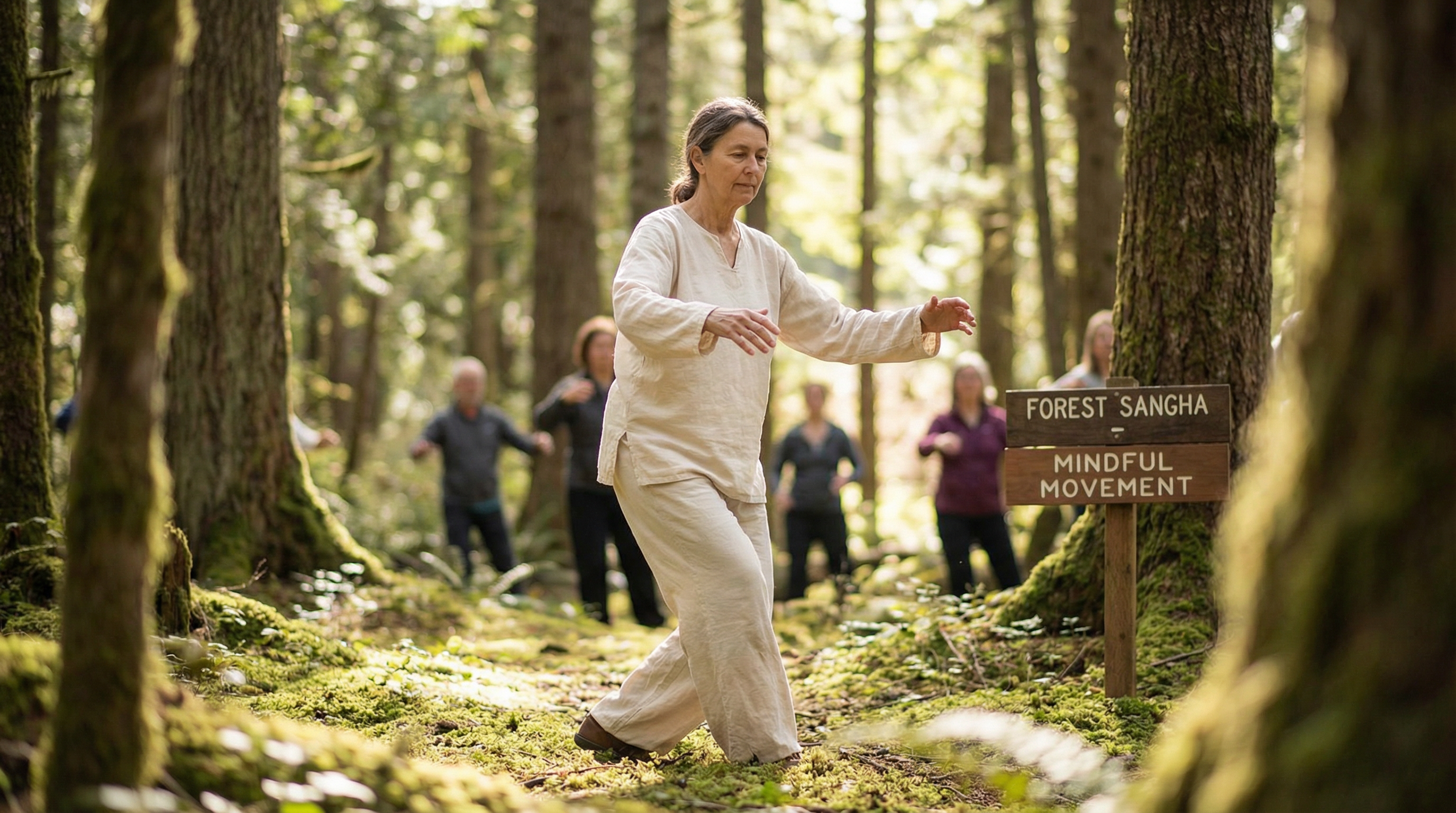
Combining Physical Activity with Mindfulness: What the Research Really Shows
A comprehensive systematic review reveals that combining physical activity with mindfulness creates stronger mental health benefits than either practice alone. Learn what the evidence says about this powerful combination.
Read more →
How Meditation Trains Emotional Regulation in Daily Life
Many meditation benefits trace back to emotional regulation. Learn how mindfulness supports flexible emotional responses and why activity context matters.
Read more →Browse by Category
Explore articles organized by topic
Activity-Based Meditation
Learn how mindfulness works best when practiced during everyday activities like walking, moving, or tidying. This category explores the science behind meditation in action and why movement often makes practice easier and more effective.
Explore category →Movement and the Body
Mindfulness is not only a mental practice. Research shows that awareness trained through the body supports attention, emotional regulation, and long-term change. This category focuses on movement, embodiment, and sensory grounding.
Explore category →Habit Formation and Consistency
Meditation only works if it is practiced consistently. This category explores why most meditation habits fail and what behavioral science tells us about building practices that actually last.
Explore category →Trait Change and Long-Term Effects
Feeling calm during meditation is helpful. Becoming calmer in daily life is the real goal. This category focuses on research into trait mindfulness, personality change, and lasting effects of meditation.
Explore category →Neuroscience and Psychology
What actually happens in the brain when we meditate? This category explains key neuroscience and psychology findings behind attention, emotion regulation, and awareness in clear, accessible language.
Explore category →Personalization and Modern Meditation
Meditation is not one-size-fits-all. This category explores why personalization matters, how adaptive practices work, and why modern meditation needs to respond to real life.
Explore category →Stress, Sleep, and Wellbeing
Stress and sleep problems are everyday challenges. This category focuses on how mindfulness supports regulation, recovery, and rest when practiced in real-world contexts.
Explore category →Safety and Responsible Practice
Meditation is powerful, but not universally neutral. This category addresses safety, limits, and responsible approaches to mindfulness based on current research.
Explore category →Meditation that adapts to real life
No rigid programs. No perfect conditions. Just mindfulness designed around how you actually live.
Explore intunoDeep Dive into Activity-Based Meditation
Explore our comprehensive guide to activity-based meditation, backed by the latest scientific research.
Activity-Based Meditation: The Science-Backed Way to Build Mindfulness Into Daily Life
Discover activity-based meditation: the science-backed approach to building mindfulness into daily life. Learn how movement, chores, and everyday activities can become powerful meditation practices.
Learn moreRelated Articles
Why Mindful Walking Works So Well for the Mind
Many people struggle with seated meditation. Research shows that mindful walking can meaningfully reduce stress and support mindfulness, even for beginners.
Can Everyday Movement Train Mindfulness Better Than Sitting Still?
Research shows that awareness trained through movement produces robust psychological benefits. Learn why movement-based practices help mindfulness transfer to daily life.
Mindfulness During Daily Chores: Is There Scientific Evidence?
Can washing dishes or folding laundry really be meditation? Learn what research says about mindfulness during daily chores and why simple, repetitive actions can support mindfulness.
Why Activity-Based Meditation Helps People Stick With Practice
Most people don't quit meditation because they dislike it. They quit because it doesn't fit into daily life. Learn why activity-based meditation removes key friction points.
Why Most Meditation Habits Fail and What Actually Works Instead
Most habits fail because they don't fit into existing routines. Learn what behavioral science tells us about building meditation habits that actually last.
Personalized Meditation Works Better Than One-Size-Fits-All Programs
People differ in stress levels, attention styles, and daily structure. Research shows that personalized meditation interventions outperform standardized ones.
Ready to build mindfulness into daily life?
intuno helps you practice during the moments you already have.
Start with your next activity